Experience AI at the 2026 Bonn Science Night
Lamarr Institute, Department of Computer Science at the University of Bonn, b-it, and Fraunhofer IAIS
As part of the 2026 Bonn Science Night, the Lamarr Institute for Machine Learning and Artificial Intelligence, the Department of Computer Science at the University of Bonn, the Bonn-Aachen International Center for Information Technology (b-it), and the Fraunhofer Institute for Intelligent Analysis and Information Systems IAIS will present current research in the field of artificial intelligence.
Under the Science Night theme “Diagnosis: The Future” a joint AI tent demonstrates how artificial intelligence recognizes patterns, supports decision-making, and opens up new possibilities for action in medicine, the environment, and everyday life. Through conversations with the supervising researchers, visitors gain insight into current research at the AI hub in Bonn. The projects demonstrate how data-driven methods can help address future challenges, ranging from enabling chronically ill children to participate in school lessons and assistive robotics in daily life to improved forecasting of flood events.
The exhibits in the AI tent
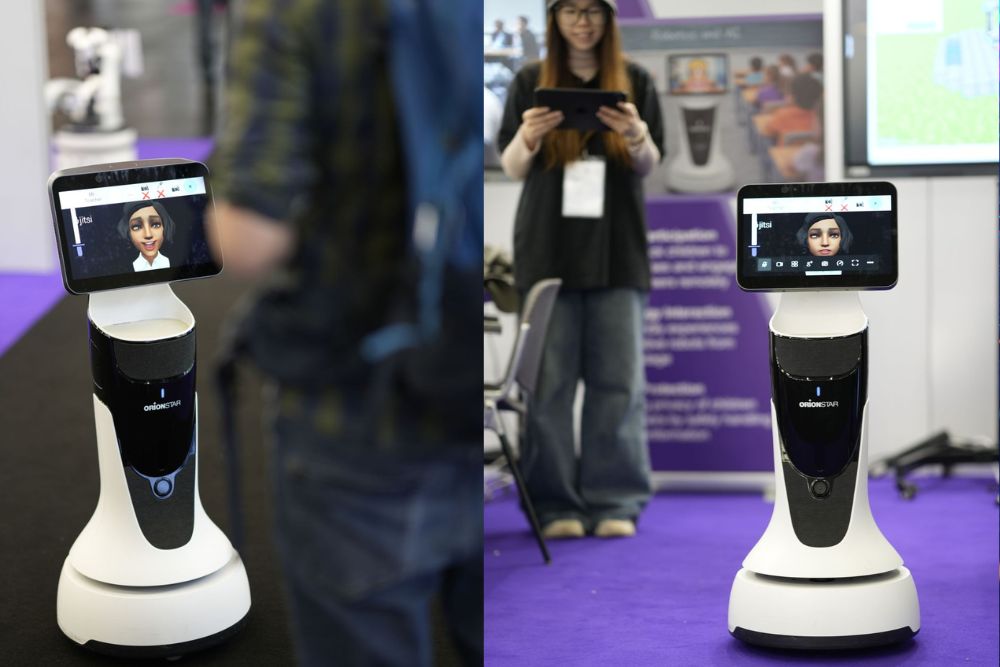
Telepresence Robotics for Education: The PRIVATAR Project
Through the PRIVATAR project, the research group led by Prof. Dr. Maren Bennewitz—Co-Rector of the University of Bonn and Lamarr Principal Investigator, shows how remote participation technology can help sick children attend classes and stay connected with their classmates from home. The project focusses on child-friendly interaction by introducing assistive robots at an early age. Using camera, audio, and display functions, these children can interact with teachers and classmates and remain integrated into the classroom community. The research combines robotics, human-robot interaction, and data protection, and investigates how telepresence systems can support social participation without disclosing sensitive data.
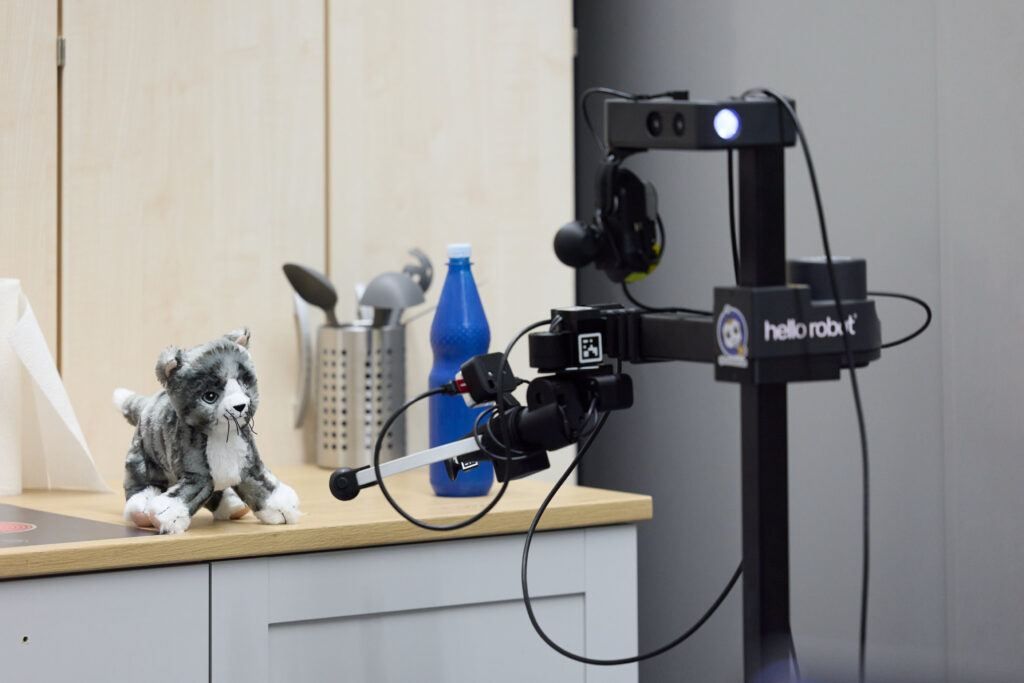
Home robots of the future
How can robots assist people in their daily lives? Prof. Dr. Hermann Blum’s research group is investigating how robots can learn to move safely within human living spaces and interact with complex environments. In the AI tent, researchers will showcase a demonstrator that illustrates how robots perceive their surroundings, recognize objects, and plan movements. The underlying research combines methods from machine learning, computer vision, and robotics to develop autonomous systems capable of performing tasks in homes or other everyday environments. Such technologies form an important foundation for future assistance systems in the home, healthcare, and other human-centered work environments.
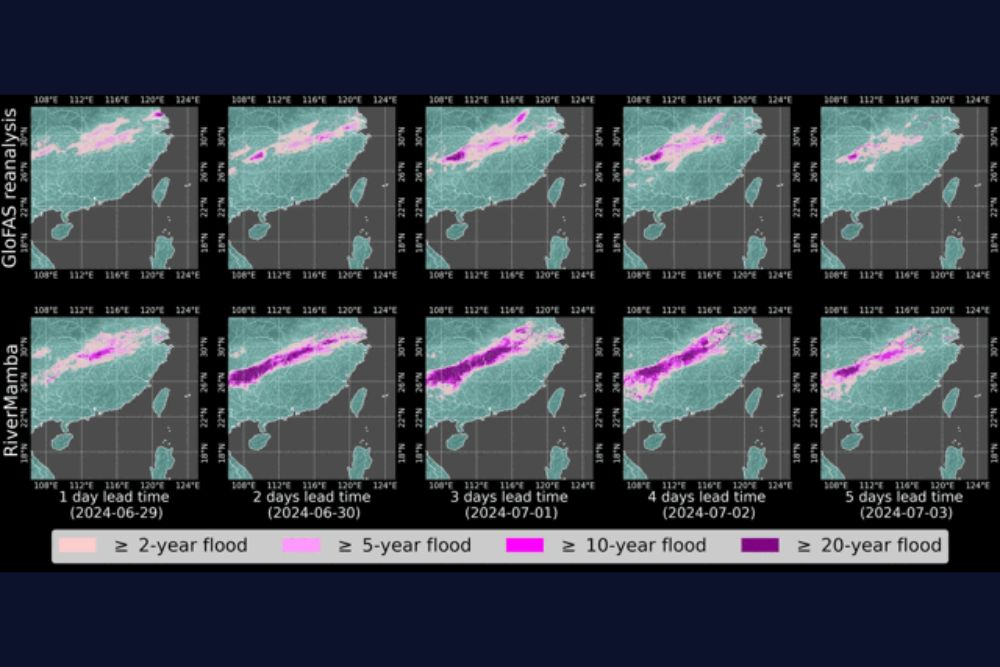
AI for Flood Forecasting: RiverMamba
The RiverMamba project, led by Prof. Dr. Jürgen Gall’s research group, demonstrates how artificial intelligence can be used to predict flood events. RiverMamba is an AI-based system designed to forecast river discharge and potential floods up to seven days in advance. The model analyzes large-scale meteorological and environmental data to understand how water moves through global river networks. By modeling spatial and temporal relationships between connected rivers, RiverMamba can provide more reliable predictions of river levels and extreme flood events. This helps support early warning systems and improves decision-making for flood risk management.
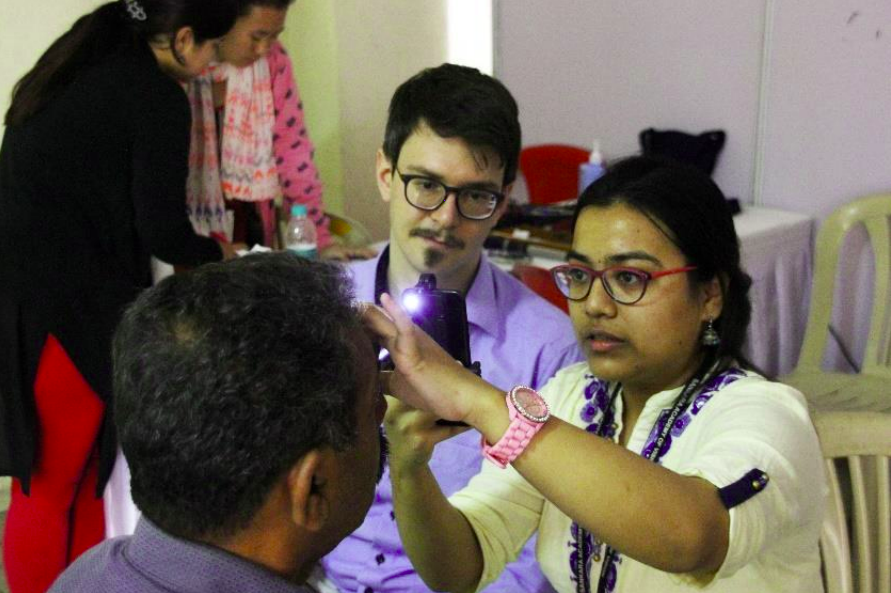
AI in Ophthalmology
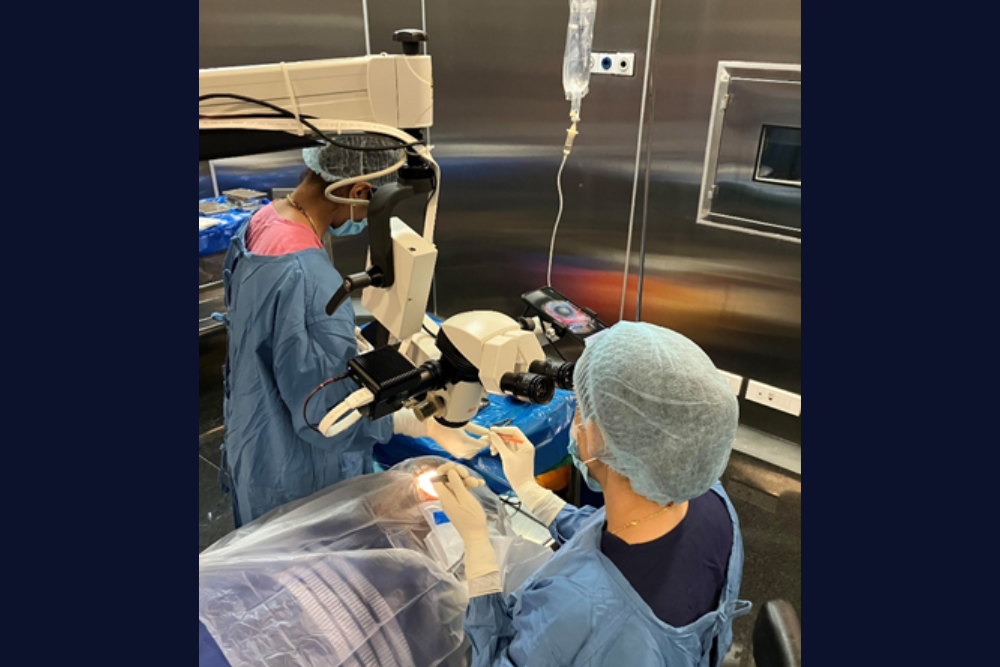
Prof. Dr. Thomas Schultz’s research group is investigating artificial intelligence can support medical image analysis and assist clinical decision-making. A particular focus lies on the analysis of video recordings from cataract surgery. Cataract, a clouding of the eye’s natural lens, is treated by replacing the lens with an artificial intraocular lens—one of the most frequently performed surgical procedures worldwide. In joint work at the Lamarr Institute, the University Hospital Bonn, Sankara Eye Foundation India, and Microsoft Research India, the team develops AI-based methods for analyzing surgical videos to support training, quality assurance, and continuous improvement. While the immediate goal is to improve care in high-throughput settings in low- and middle-income countries, such systems have the potential to enhance surgical outcomes globally.
Bonn Science Night 2026
Date: May 21–22, 2026
Location: Tent City of Knowledge, Bonn
Participants: Universities, research institutes,
and scientific institutions from Bonn and the surrounding region
Format: Hands-on science
featuring demonstrations, discussions, and interactive activities




Details
Date
21. - 22. May 2026
Location
City of Bonn
Topics
Embodied AI, Life Sciences & Health, Education, Science