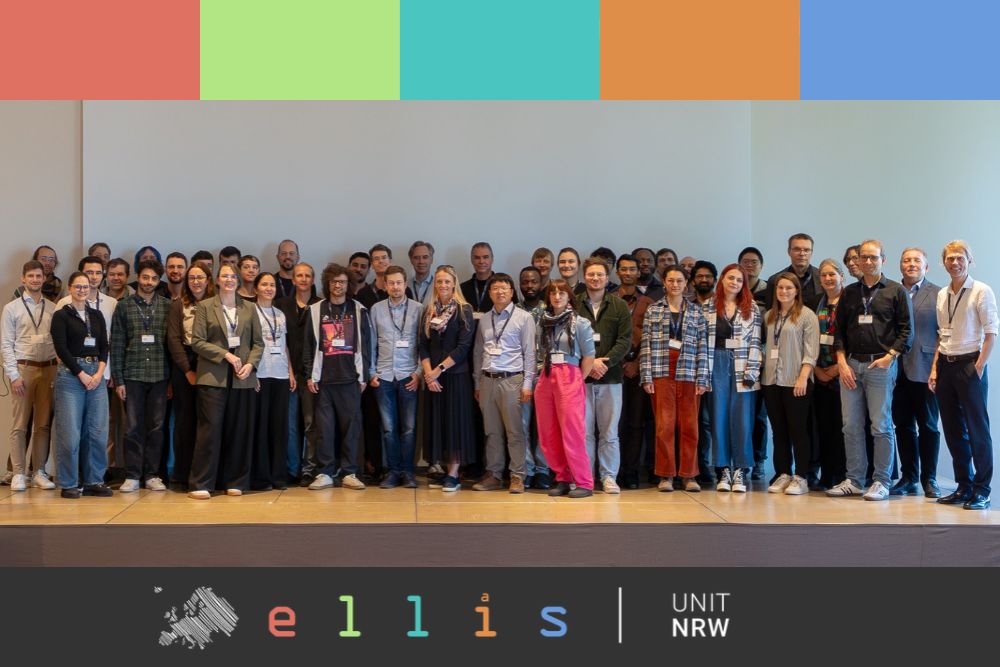
The new ELLIS Unit NRW is launching its joint research activities with a scientific kick-off event in Siegburg, Germany. Researchers from eight universities and research institutions across North Rhine-Westphalia are coming together to shape future collaboration in artificial intelligence research. Established in May, the unit is part of the European Laboratory for Learning and Intelligent Systems (ELLIS), a Europe-wide research network dedicated to scientific excellence and international collaboration in AI. Bringing together more than 40 principal investigators and over 300 doctoral researchers and postdoctoral scientists, ELLIS Unit NRW connects one of Europe’s largest regional AI research ecosystems with international research networks and advanced computing infrastructure.
Strengthening North Rhine-Westphalia’s Role in European AI Research
ELLIS Unit NRW brings together the state’s scientific strengths, emphasizes Ina Brandes, Minister of Culture and Science of North Rhine-Westphalia: “You are bringing together the strengths of our universities and research institutions and creating new opportunities for joint research.” In doing so, North Rhine-Westphalia can build on internationally recognized institutions: “With the Lamarr Institute, the RWTH Center for Artificial Intelligence and the Forschungszentrum Jülich, we have institutions that play an important role in AI research internationally,” Brandes says. The state aims to actively shape the development of artificial intelligence and is therefore investing strategically in expanding its AI research capabilities. Beyond scientific excellence, a particular priority is developing applications that deliver tangible benefits to people. As an example, Brandes highlighted the AI4CancerCure research project, which illustrates the potential of AI in cancer medicine.
Open AI Models and Joint Research at the Core
“With ELLIS Unit NRW, we are establishing a framework that enables researchers to work together across institutional and disciplinary boundaries on fundamental questions in artificial intelligence. What matters is bringing together open AI models, scientific expertise and the computing infrastructure needed for internationally competitive research,” says Prof. Dr. Jürgen Gall of the University of Bonn, Director of ELLIS Unit NRW.
The unit pursues two main research tracks: the study of open, general-purpose AI foundation models and the advancement of machine learning methods for specific application domains, particularly robotics and sustainable agriculture. The full-day kick-off event, featuring a keynote by ELLIS researcher Samuel Kaski and presentations from the participating research institutions, provides an initial opportunity to discuss scientific approaches, research questions and future joint activities within the unit.
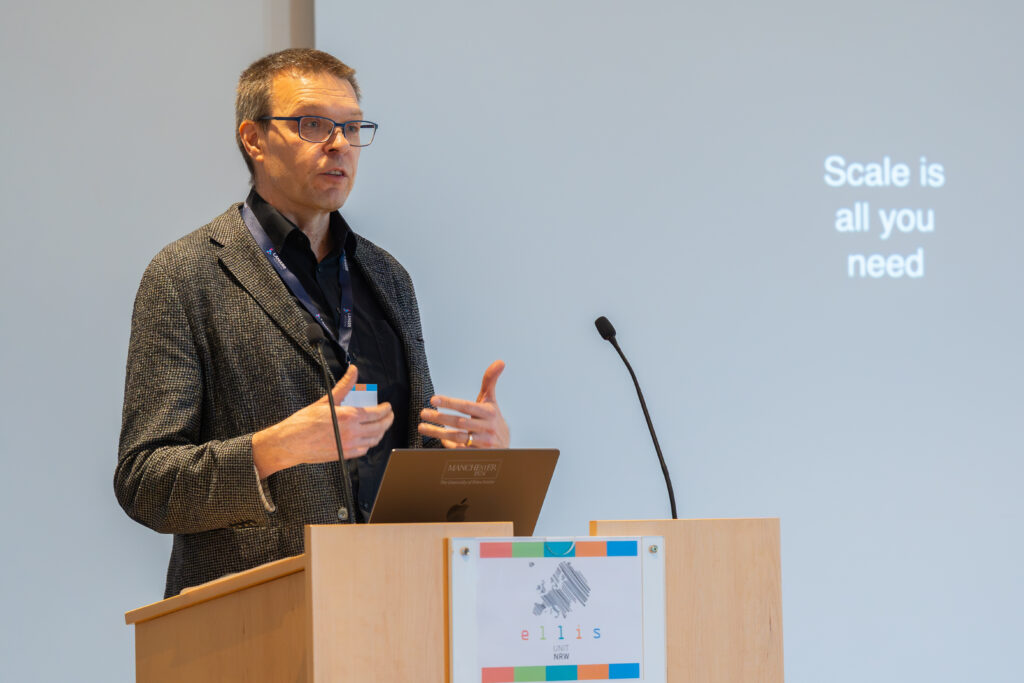
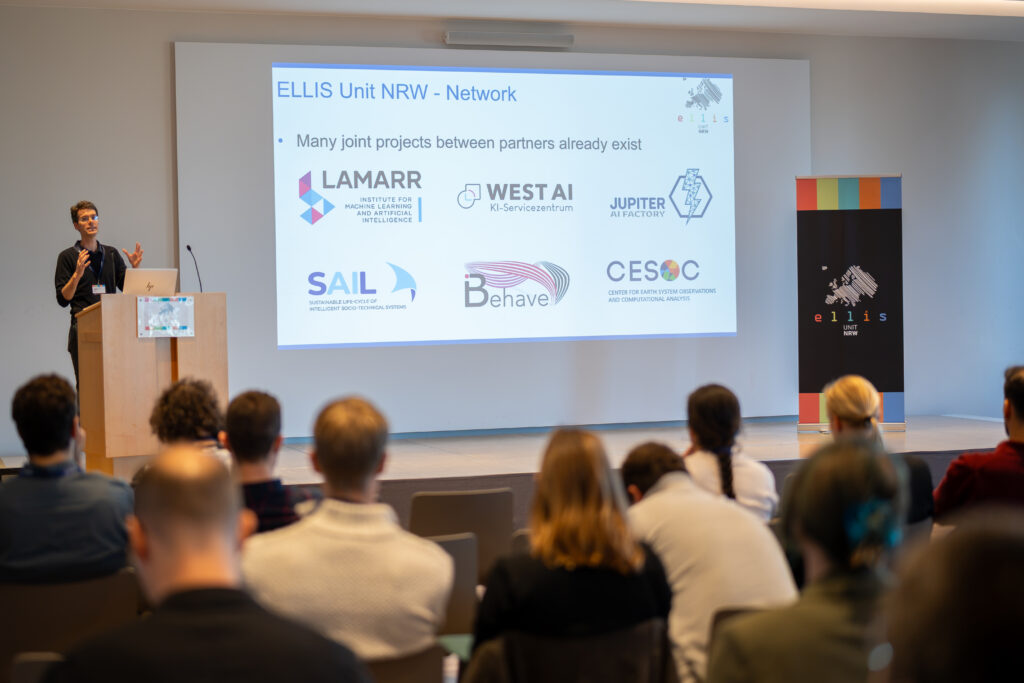
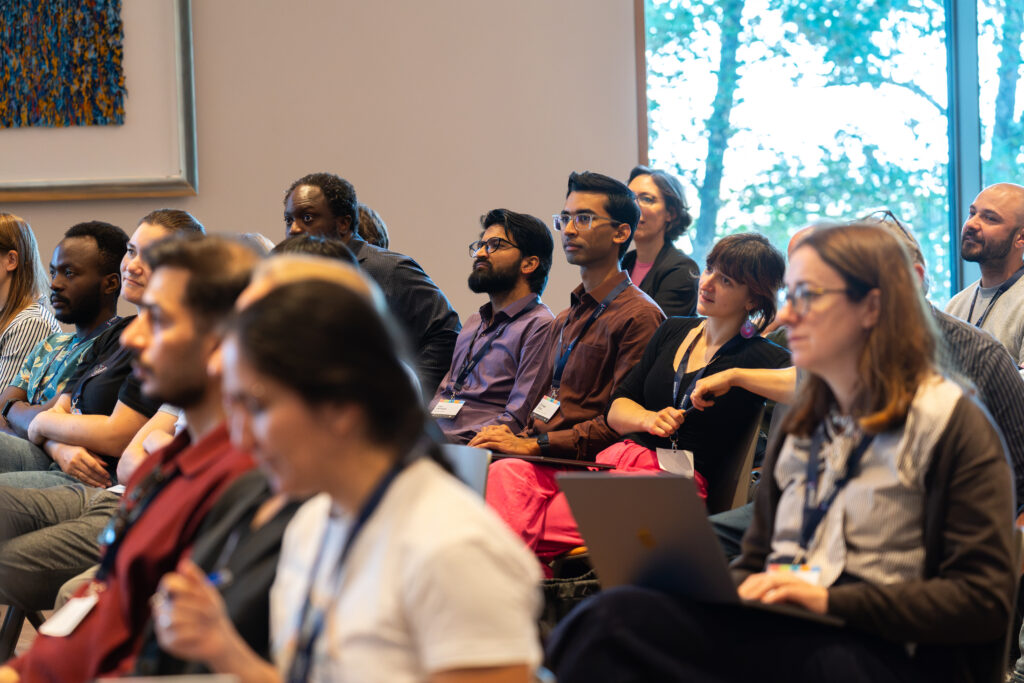
ELLIS Unit NRW kick-off in Siegburg, featuring keynote speaker Prof. Dr. Samuel Kaski, Prof. Dr. Juergen Gall, Director of ELLIS Unit NRW, and the audience. © Max Waidhas | University of Bonn